

What happens to a language when the knowledge it carries is absent from the digital platforms where people increasingly learn, communicate and share information?
A two-day workshop at the University of KwaZulu-Natal (UKZN) sought to address this challenge by equipping students and academics with practical skills to preserve and promote African languages through open-access knowledge platforms.
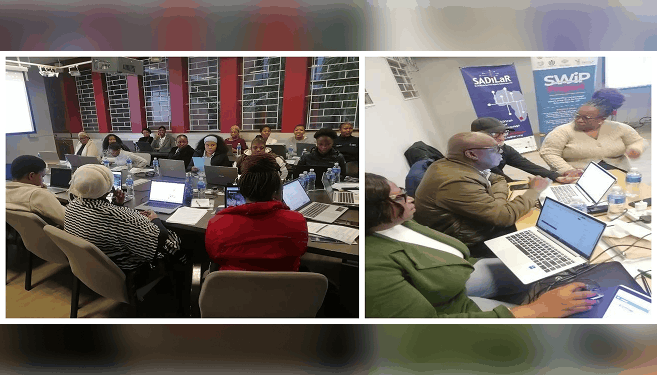
Themed ‘Preserving Languages’, the workshop focused on Wikipedia editing, multilingual content creation, article translation, referencing and digital knowledge production. Training was facilitated by Fouad Asfour.
Organised by Dr Phephani Gumbi, with support from academic staff in the isiZulu Sub-discipline, the workshop aimed to promote digital knowledge production, language preservation and greater participation in open-access knowledge platforms. It placed particular emphasis on equipping participants to create and share knowledge in African languages, especially isiZulu.
The workshop brought together 40 participants from the UKZN isiZulu community, including 10 Postgraduate Certificate in Education (PGCE) students specialising in isiZulu, eight second-year isiZulu students, eight isiZulu honours students, two PhD students and 12 academic staff members.
Gumbi said: “The workshop provided participants with hands-on opportunities to engage directly with Wikipedia and its tools. They created Wikipedia accounts and user pages, activated translation tools, edited existing articles and created new ones. They also learned how to add references and categories, incorporate images and multimedia, and translate content into African languages.”
According to Gumbi the practical sessions encouraged collaboration, with small-group mentoring and peer support playing an important role in the learning experience. Participation by academics from different disciplines also highlighted the potential for digital language preservation to extend beyond language studies into other areas of scholarship.
“The workshop demonstrated how open digital platforms can contribute to making African-language knowledge more visible and accessible. Through creating, translating and improving online content, participants developed digital literacy skills while gaining a better understanding of how collaborative platforms can support multilingual knowledge production,” Gumbi said.
The organisers said the participation of students and academics reflected growing interest in digital scholarship and initiatives supporting multilingualism and language preservation.
The workshop highlighted the value of collaboration in strengthening the digital presence of indigenous languages. By equipping participants with practical skills to contribute to open-access knowledge platforms, it supported broader efforts to make African-language knowledge more accessible and visible online.
Words: Sinoyolo Mahlasela
Photographs: Supplied