

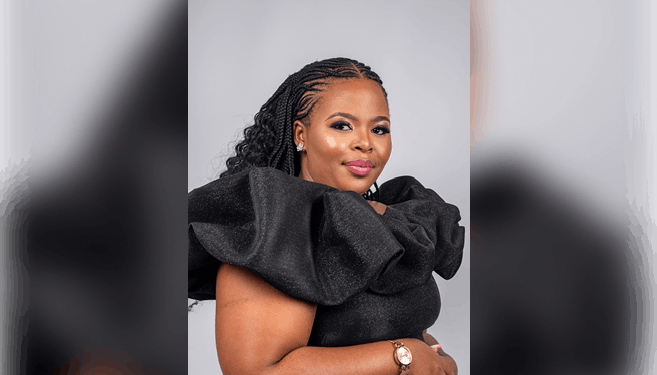
For Ms Nokwanda Hlatshwayo, advances in technology and healthcare inspired her to explore how audiology could evolve to reach more patients, particularly those in underserved and rural communities.
Hlatshwayo graduated from the University of KwaZulu-Natal (UKZN) with a Master of Audiology degree for her study, ‘Audiologists’ use, non-use, and intended use of tele-audiology: Insights from a scoping review and focus group study’. Her research was supervised by Dr Nasim Banu Khan.
The study explored factors influencing audiologists’ use, non-use and intended use of tele-audiology, guided by the Technology Acceptance Model and Diffusion of Innovations Theory.
Tele-audiology has the potential to improve access to hearing healthcare, particularly in low- and middle-income countries where patients may face long distances and waiting times to access specialised services.
Her qualitative study included a scoping review of 16 peer-reviewed studies and a focus group discussion with five public-sector audiologists in KwaZulu-Natal.
The findings showed that tele-audiology was primarily used for follow-up care, aural rehabilitation and screening. It can reduce patients’ travel costs and waiting times while improving access to hearing services for rural populations.
However, significant barriers to widespread adoption were identified. These included unreliable internet connectivity and electricity, a lack of standardised national policies, staff shortages and concerns about the reliability of remote diagnostics and data security.
Patient-related challenges also emerged, particularly low digital literacy among older people and socioeconomic barriers to smartphone ownership.
Despite these challenges, the study found that audiologists reported a strong intention to use tele-audiology if the necessary support and capacity-building measures were provided.
“The study is highly beneficial to society, as it highlights how tele-audiology can improve the quality of hearing healthcare and identifies which barriers must be addressed first for its success,” she said.
Hlatshwayo recommended integrating tele-audiology into undergraduate audiology curricula, establishing clear clinical and billing protocols within the National Health Insurance framework and investing in on-site facilitators to assist patients at remote testing sites.
“I was interested in understanding how audiology in the public sector can also be incorporated in this developing era, to reach more patients and increase access to hearing care,” she explained.
Born and raised in Ladysmith’s Ezakheni C1 section, Hlatshwayo first learned about audiology in matric when her deputy principal discussed career options. Intrigued by the human ear and hearing, she applied to UKZN in 2017.
Although she was initially offered a place in a Bachelor of Commerce programme, she reapplied for Audiology and was accepted in 2019. She completed her undergraduate degree in 2023 before pursuing her master’s.
Now 25, Hlatshwayo is working as a locum resource-centre audiologist at West Rand School.
She credited her family and friends, particularly Ms Ntombenhle Msibi and Ms Jabulile Jamile, for motivating and supporting her throughout her academic journey.
During her undergraduate studies, she served as class representative and was appointed secretary of her residence’s House Committee.
Outside academia, she enjoys baking and hiking and has recently taken up running. She described herself as adventurous and unafraid to try new things.
Words: MaryAnn Francis
Photograph: Supplied