

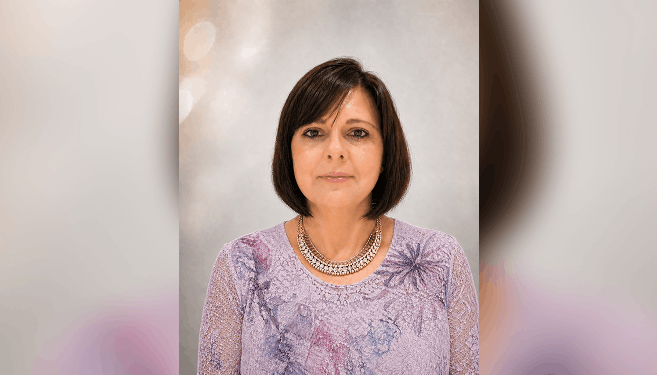
A passion for expanding healthcare options and improving access to holistic care inspired homoeopath, Ms Cornelia Hall, to investigate whether South Africa’s public healthcare sector is ready to integrate complementary and alternative medicine (CAM).
Hall graduated from the University of KwaZulu-Natal (UKZN) with a Master of Public Health (MPH) under the supervision of renowned epidemiologist, Professor Themba Ginindza. Her study, titled: ‘Exploring Healthcare Providers’ Preparedness Towards the Integration of Complementary and Alternative Medicine (CAM) Practitioners and CAM Therapies into the Public Healthcare Sector of South Africa’, examined the perspectives of conventional healthcare professionals on the potential inclusion of CAM in public healthcare.
CAM practitioners currently operate largely in private practice, limiting access for many South Africans who cannot afford private healthcare. Hall’s research explored whether conventional healthcare providers were prepared for a possible shift towards greater integration.
Using a qualitative grounded theory approach, Hall interviewed 14 medical doctors from King Edward VIII, RK Khan and Wentworth hospitals in Durban. Participants with experience in internal medicine, family medicine and oncology were recruited through purposive sampling. In-depth interviews were conducted and analysed using coding and thematic analysis.
Five key themes emerged: limited understanding of CAM, differences in approaches to patient interaction and treatment, doubts about the therapeutic efficacy of CAM, limited awareness of training and registration requirements for CAM practitioners, and the potential for CAM to be integrated into primary healthcare.
The study found that healthcare providers were generally not prepared for CAM integration at present. However, it also identified conditional openness, with participants indicating that greater integration could be considered if issues surrounding formalisation, standardisation and recognition were addressed.
Hall believes the findings could provide a foundation for policymakers, educators and healthcare providers to consider frameworks for the responsible inclusion of CAM within South Africa’s public health system. “Integration would require investment in education, awareness-raising, regulation and interprofessional engagement,” she said. “CAM has the potential to complement conventional medicine in primary healthcare settings and broaden patients’ treatment options.”
Her interest in the subject developed through years of working as a homoeopath in privately funded projects and community health centres linked to the Durban University of Technology’s (DUT) Homoeopathic programme. Hall said she witnessed positive outcomes among patients who often had limited access to conventional healthcare.
“These experiences led to a burning question that needed to be answered: ‘What could be the role of CAM in public health?’” she said.
Born and raised in Klerksdorp, Hall initially studied Biochemistry and Physiology at the former Potchefstroom University for Christian Higher Education, now North-West University. After working at the Council for Scientific and Industrial Research (CSIR) in Pretoria, she relocated to Durban in 1992 to study Homoeopathy at the former Technikon Natal, now DUT.
She completed her studies in 1997, entered private practice in 1998 and began her academic career at DUT in 1999. She is currently a senior lecturer in the Department of Homoeopathy at DUT.
Reflecting on her MPH journey, Hall described her achievement as a mixture of “exhaustion and relief,” after a much longer academic journey than anticipated. She credits resilience and perseverance for helping her complete the degree, guided by the principle that even on difficult days, ‘1%’ of progress was still progress.
Her children also provided motivation. While completing the MPH, both were finishing matric and entering tertiary education. “I had to complete what I started and let that be the example for them that no matter how difficult, you don’t drop out,” she said.
Outside academia, Hall enjoys playing the violin, spending time in nature particularly near the water, and caring for her cats and dogs. Her passion for animal welfare has also led her to rescue animals, many of which have become permanent members of her household.
Words: MaryAnn Francis
Photograph: Supplied